
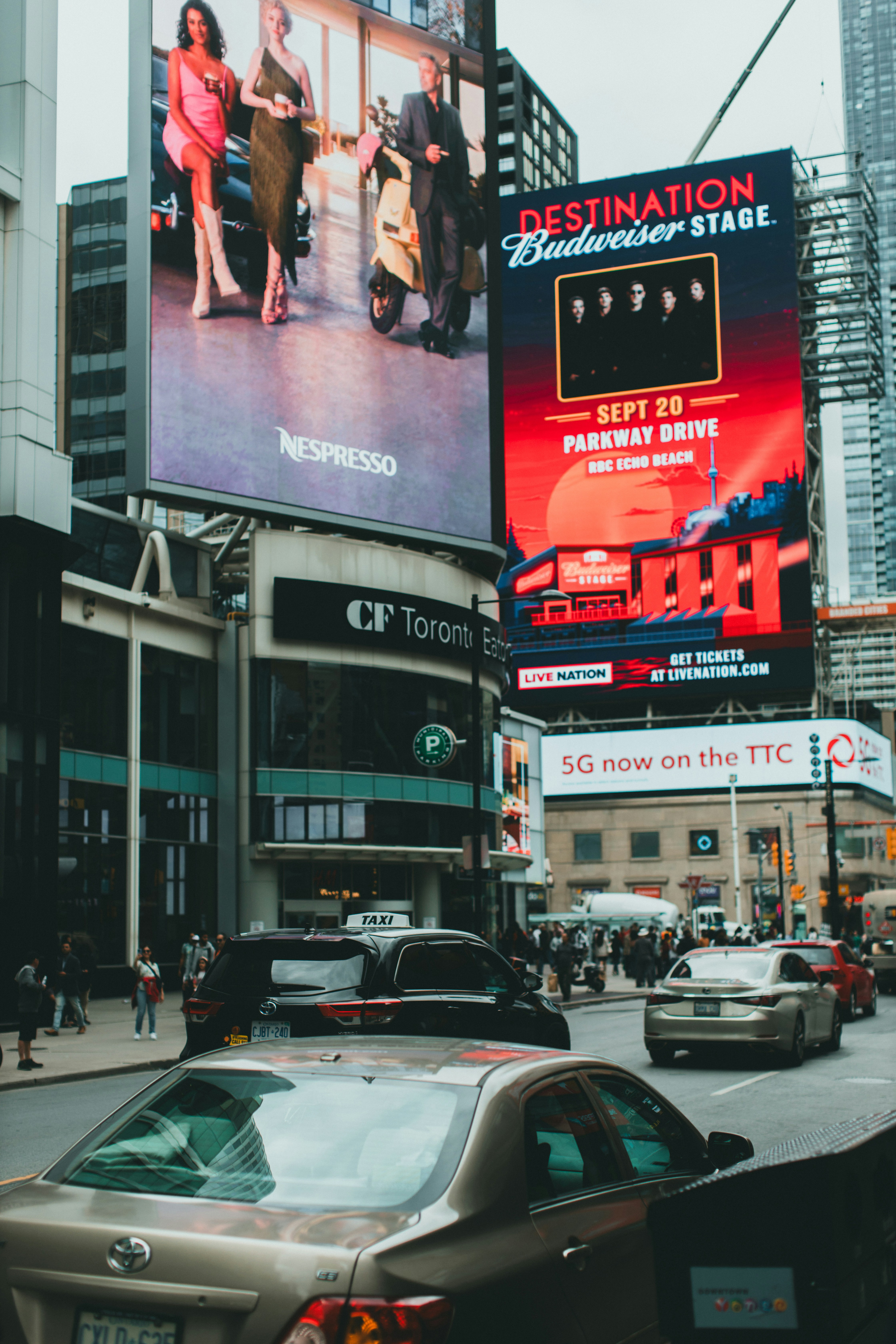
The Current State of Outdoor Advertising in India
As of now, outdoor advertising in India is comprised predominantly of traditional mediums such as billboards, posters, and transit media, including bus and taxi advertisements. However, the rise of digital billboards has revolutionized the industry by providing real-time content updates and enhanced audience engagement. These digital platforms not only allow for dynamic advertising but also facilitate targeted advertising campaigns, thereby increasing the relevance and effectiveness of the campaigns.
In addition to digital billboards, various other platforms are playing an essential role in shaping the outdoor advertising landscape. Hoardings, especially in high-traffic areas, continue to hold importance due to their visibility and impact on consumer behavior. Moreover, the increasing use of public transport systems has led to substantial growth in transit media advertising, capturing the attention of commuters and city dwellers alike.
Furthermore, the integration of augmented reality (AR) and virtual reality (VR) technologies is creating exciting possibilities for outdoor advertising as we move towards 2026. These advancements not only enhance user engagement but also provide advertisers with new means to convey their brand messages creatively.
In summary, the outdoor advertising landscape in India is evolving rapidly, characterized by a mix of traditional platforms and innovative digital solutions. This presents a myriad of opportunities for businesses looking to capitalize on the growth potential of this sector as the country approaches 2026.
The Rise of Digital Billboards
In recent years, the advertising landscape in India has undergone a significant transformation, particularly with the emergence and proliferation of digital billboards. These versatile advertising platforms are rapidly gaining traction in urban areas, driven by advancements in technology and changing consumer behaviors. Unlike their traditional counterparts, digital billboards offer dynamic content delivery capabilities, allowing brands to display multiple advertisements within a short time frame, thereby enhancing the potential for consumer engagement.
The technological features of digital billboards are impressive, showcasing high-definition displays that capture attention with vibrant colors and clarity. Equipped with smart technology, some digital billboards can analyze audience demographics and adapt content in real-time, optimizing marketing strategies and boosting effectiveness. For instance, companies are increasingly employing geolocation data to display targeted advertisements based on the specific audience demographics present at any given moment.
Digital billboards are not just about enhanced visuals; they also provide innovative interaction opportunities. Many brands are adopting interactive elements such as QR codes, social media integration, and location-based services to facilitate greater consumer engagement. A case study highlighting this trend is a campaign run by a leading beverage company in Mumbai, which used digital billboards to promote a limited-time offer. By integrating a QR code into their advertisement, they encouraged passersby to scan the code for discounts, resulting in a measurable increase in foot traffic to their retail locations.
As digital billboards continue to evolve, their impact on advertising strategies is undeniable. The flexibility, interactivity, and advanced analytics provided by these platforms enable companies to create more compelling advertising experiences tailored to targeted audiences. This shift towards digital emphasizes the importance of integrating outdoor advertising with broader, omnichannel marketing strategies, ensuring brands can engage consumers effectively regardless of the medium.
Highway Hoardings: An Untapped Goldmine
Highway hoardings represent a significant and often overlooked opportunity for brands aiming to enhance their visibility among motorists in India. As road traffic continues to surge, highway billboards serve as crucial touchpoints, enabling advertisers to reach a diverse array of consumers. The demographic profile of highway traffic typically includes a mix of commuters, travelers, and freight carriers, each presenting unique advertising potentials.
The effectiveness of highway hoardings can be attributed to their strategic placement and visibility. Research indicates that when strategically situated along major thoroughfares, hoardings capture the attention of drivers and passengers alike, drawing their focus away from the road momentarily. This transient exposure can have a lasting impact, especially when brands utilize compelling visuals and concise messaging.
Furthermore, the trend of road trips and increasing mobility trends in India have contributed to elevating highway advertising as one of the most effective forms of outdoor advertising. As travelers frequently seek information about nearby services, leisure activities, or dining options, advertisers who leverage this platform can directly engage potential customers at decisive moments.
Moreover, the capacity for customization and creativity with highway hoardings presents an alluring advantage for brands. Advertisers have the flexibility to design murals that resonate emotionally with viewers, allowing brands to tell a story that might be memorable even after a brief glance. With the increasing adoption of digital displays, the concept of dynamic advertising further enriches the potential of highway hoardings. These digital formats can showcase multiple messages in succession, optimizing ad spend and improving relevance based on time and audience demographics.
Thus, highway hoardings emerge as a vital pillar in the outdoor advertising landscape. As brands plan for 2026, acknowledging and embracing this goldmine can strategically position them to capture a broader audience and enhance brand recognition in an ever-competitive market.
Metro Advertising: Connecting Brands with Daily Commuters
Metro advertising in India presents a unique opportunity for brands to engage with a significant and consistent audience. Given the daily rush of commuters using metro services, this form of outdoor advertising ensures that brands can communicate their messages effectively to individuals during their commute. The captive nature of this audience, often larger than those seen in traditional advertising venues, allows for strategic targeting.
Among the various formats available for metro advertising, digital screens and wall wraps stand out as particularly effective. Digital screens, placed strategically within stations and on trains, not only catch the eye of passengers but also allow for dynamic content that can be updated easily. This adaptability enables advertisers to tailor their messaging to align with peak travel times or seasonal promotions, thus maximizing engagement.
Wall wraps, on the other hand, transform the very spaces that commuters frequent into impactful brand showcases. The large format allows brands to deliver powerful visuals that are hard to miss, especially in high-traffic areas such as station entrances and platform walls. These wraps can immerse the commuter in the brand experience before they even step on the train, creating a memorable impression that can influence purchasing behavior.
Understanding passenger behavior and journey timings is vital for effectively leveraging metro advertising. Most commuters engage in routine travel patterns, which presents a prime opportunity to reach them multiple times throughout their week. By analyzing peak hours and understanding the demographic composition of metro users, brands can optimize their campaigns. Consequently, metro advertising acts not only as a channel for awareness but also as a means to foster customer loyalty through consistent visibility.
Airport Media: Targeting the Elite Traveler
In the realm of outdoor advertising, airport media represents a highly influential platform to reach affluent travelers, who are often characterized by their disposable income and penchant for luxury. As the aviation sector in India witnesses unprecedented growth, the opportunities within airport advertising become increasingly appealing for brands aiming to capture the attention of this elite audience.
Innovative advertising formats have emerged at airports, which provide a dynamic environment to engage potential customers. Digital screens and high-definition video walls in terminals not only attract attention but also allow for real-time content updating, enabling brands to communicate timely offers and information effectively. Furthermore, traditional formats like billboards, banners, and illuminated displays in key areas such as departure lounges, baggage claim, and security checkpoints ensure maximum visibility.
Strategic placement of advertisements is paramount when targeting affluent travelers. Placing advertisements in lounges, which are frequented by business and first-class passengers, enables brands to connect directly with high-net-worth individuals. Additionally, collaborating with premium service providers at the airport, such as car rental services or luxury lounges, ensures that advertising efforts are seamlessly integrated into the luxury travel experience.
Furthermore, tailored messaging is essential in making an impact on this demographic. Brands must focus on personalized and refined content that resonates with the interests and lifestyles of elite travelers. Messaging that emphasizes exclusivity, premium quality, and unique experiences can significantly enhance engagement. Using data analytics and insights about passenger demographics can help in crafting targeted messages, thereby increasing the possibility of conversion.
As the outdoor advertising landscape continues to evolve, the airport environment offers unmatched opportunities for advertisers focused on high-value customers. With the right approaches in innovative formats, strategic placements, and personalized messaging, brands can effectively make their mark among India’s elite travelers by 2026.
Bus Shelters and Transit Media: Engaging Urban Riders
In the vibrant urban landscape of India, the significance of bus shelters and transit media cannot be overstated. These strategic advertising platforms cater to a large and diverse demographic, allowing brands to engage directly with urban riders, including young professionals, students, and commuters from various backgrounds. With the increasing number of individuals relying on public transport, bus stops and shelters emerge as pivotal touchpoints for outdoor advertising.
Bus shelters serve as more than mere waiting areas; they are effective showcases for brands striving to increase visibility among potential customers. Positioned in high footfall areas, these structures provide advertisers the opportunity to communicate their brand messaging to a captive audience. Creative and well-placed advertisements can capture the attention of commuters who are often in transit, directing their focus on products or services that align with their lifestyles.
Moreover, the integration of digital screens within bus shelters represents an evolution in transit media. These digital displays can host dynamic content, thus allowing brands to present promotions, announcements, or even interactive campaigns that engage audiences in real-time. The ability to modify content on-the-fly ensures that brands remain relevant and can react swiftly to current trends or events, enhancing the overall consumer experience.
The strategic placement of advertisements in these shelters also leverages demographic targeting. Brands can tailor their messaging based on the location, ensuring that their marketing efforts resonate with the local populace. The advantage of such targeted advertising lies in its potential to drive traffic and foster brand loyalty among urban consumers, who are constantly exposed to countless marketing messages.
In essence, bus shelters and transit media play a critical role in urban areas, presenting abundant opportunities for brands to enhance visibility and engage with urban riders effectively. The potential for growth in this sector is immense as India’s urban centers continue to expand, making it a promising avenue for advertisers preparing for the future.
Mall Screens: Capturing the Shopping Audience
As the retail landscape continues to evolve, mall advertising has emerged as a robust channel, especially through the integration of digital screens. These screen displays are strategically positioned to engage consumers in a premium shopping environment, effectively capturing their attention during a pivotal time in their purchasing journey. The nature of mall advertising appeals to a diverse consumer profile, ranging from young professionals to families, thus maximizing the reach to potential customers.
The effectiveness of mall screens lies not only in their placement but also in the content displayed. Engaging visuals, interactive content, and real-time updates can significantly enhance consumer engagement. For instance, targeted advertisements that resonate with specific demographics can create a more personalized shopping experience, encouraging shoppers to explore new products and brands. This level of engagement is pivotal in influencing purchasing decisions, as studies indicate that consumers who are exposed to digital advertising are more likely to make impulse buys.
Furthermore, the strategic use of data analytics plays a crucial role in mall advertising initiatives. By analyzing foot traffic patterns and consumer behavior, marketers can tailor their campaigns to meet the preferences of the audience prevalent in the mall. This data-driven approach ensures that advertisements are not only relevant but also timely, amplifying engagement levels significantly. For example, showcasing promotions during peak shopping hours can lead to increased visibility and higher conversion rates.
In conclusion, mall screens provide an unprecedented opportunity for brands to engage with shoppers in a vibrant retail environment. By leveraging effective content strategies and utilizing data analytics, advertisers can create impactful campaigns that capture the attention of consumers, ultimately driving higher sales and enhancing brand loyalty in the competitive world of retail advertising.
Integration of Digital and Traditional OOH Advertising
The landscape of outdoor advertising in India is continually evolving, particularly with the integration of digital out-of-home (DOOH) formats alongside traditional methods. As we look towards 2026, the synergy between these two forms presents a powerful opportunity for marketers. While traditional outdoor advertising, such as billboards and posters, has established reliability and reach, DOOH introduces dynamism and immediate engagement possibilities.
One notable case study highlighting this integration comes from the city of Mumbai, where a combination of digital billboards and static signage was employed during a major cultural festival. By utilizing real-time data and audience targeting strategies, brands were able to display timely advertising pertinent to festival-goers, effectively boosting foot traffic to retail stores. This dual approach not only maximized the visibility of the brands involved but also created a more personalized experience for the audience.
To leverage both digital and traditional formats successfully, marketers should focus on cohesive strategies that enhance brand messaging. A well-planned campaign could advocate for a streamlined visual identity, ensuring that the audience recognizes the brand across all platforms. Additionally, utilizing digital analytics tools can provide insights into audience interaction with traditional OOH ads, measuring effectiveness and adjusting strategies accordingly.
The benefits of integrating digital and traditional outdoor advertising are considerable. Enhanced creativity in messaging allows for engaging content that can dynamically change based on demographic insights. Furthermore, the immediacy of DOOH makes it possible to react swiftly to market changes or consumer behavior, strengthening the overall impact of the advertising campaign. As the outdoor advertising landscape develops, brands failing to harmonize these formats may find themselves at a competitive disadvantage.
The Future of India’s Outdoor Advertising Landscape in 2026
As we look towards 2026, the outdoor advertising landscape in India is poised for significant transformation, influenced by rapid technological advancements and evolving consumer behaviors. Emerging trends suggest a shift towards digital outdoor advertising, which is not only more engaging but also allows for real-time data analytics. This evolution will enable brands to tailor their messages dynamically based on audience interactions and foot traffic patterns, enhancing the overall effectiveness of outdoor campaigns.
One of the most noteworthy developments projected for 2026 is the increased integration of augmented reality (AR) and virtual reality (VR) in outdoor advertisements. These immersive technologies are likely to redefine consumer interactions with brands, creating experiences that go beyond traditional static advertisements. As consumers increasingly seek engaging and interactive content, brands that leverage AR and VR are expected to attract greater attention and drive higher engagement rates.
In addition to technological advancements, shifts in consumer behavior will play a crucial role in shaping the future of outdoor advertising. With a growing emphasis on sustainability, brands that adopt eco-friendly advertising practices, such as utilizing biodegradable materials and energy-efficient digital displays, may resonate more strongly with environmentally conscious consumers. Furthermore, as urbanization continues to rise, advertisers will need to adapt to crowded urban landscapes, strategically positioning their messages to catch the eyes of a diverse and mobile audience.
Overall, the outdoor advertising industry in India is on a trajectory of significant growth, driven by innovation and adaptation to changing consumer needs. By 2026, outdoor media is expected to become a vital component of multimedia marketing strategies, capable of influencing consumer decisions in new and impactful ways. These developments will pave the way for a more dynamic, responsive, and effective outdoor advertising landscape in India, setting the stage for exciting opportunities in the years to come.




Leave a Reply