
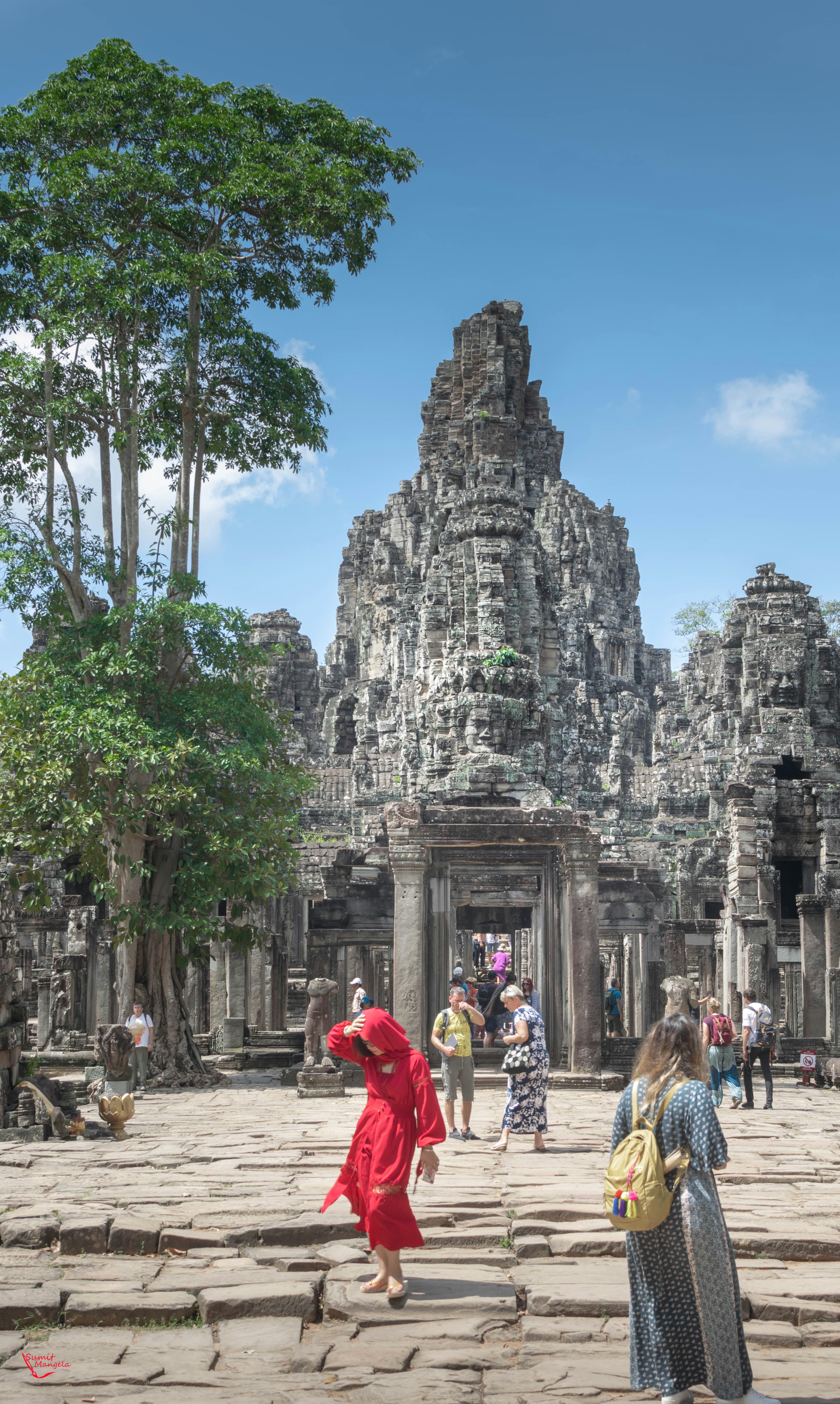
Introduction: The Allure of India’s Unseen Beauty
The allure of India’s unseen beauty lies in the untouched landscapes and the authentic encounters that travelers can expect. Each region has its own unique charm, imbued with stories that speak of tradition, art, and local life. For instance, a visit to the quiet town of Chikmagalur unveils lush coffee plantations and ancient temples, far removed from the hustle and bustle witnessed in urban centers. Similarly, the vibrant but lesser-known state of Sikkim combines stunning views of the Himalayas with a rich cultural mosaic influenced by various ethnic communities.
Moreover, exploring these lesser-known destinations fosters a deeper connection with local cultures and traditions. Travelers can witness age-old rituals, indulge in regional cuisines, and even participate in local festivals. This immersive experience contributes to a sustainable tourism model that respects and preserves the integrity of communities, a vital aspect lacking in heavily trafficked tourist areas. Affordable accommodations in these hidden places further add to the appeal, allowing visitors to enjoy the splendor of India’s landscapes without compromising on comfort or breaking the bank.
In essence, venturing into India’s unseen spots not only enriches one’s travels but also reveals the country’s profound beauty often overshadowed by more well-trodden paths. As we delve deeper into specific destinations and their affordable stays, the invitation to explore India’s hidden treasures becomes ever more enticing.
Top Unseen Tourist Spots in India
India, a country with diverse landscapes and rich cultural heritage, is filled with hidden gems that remain largely unexplored. Each region boasts its unique attractions, making it an ideal destination for travelers seeking authentic experiences away from the crowded tourist hotspots. Here, we highlight some of the best unseen tourist spots across India that offer a fresh perspective on the country’s tourism.
First on our list is Ziro Valley in Arunachal Pradesh, a picturesque settlement known for its lush green landscapes and the Apatani tribal culture. Surrounded by rice fields, Ziro is famous for its annual music festival, where local artists share their traditional and contemporary music, attracting a niche audience. Visitors can partake in trekking and explore the vibrant biodiversity, making it a haven for nature lovers.
Moving towards the west, the Rann of Kutch in Gujarat stands out as a unique salt desert. It transforms into a surreal landscape during the Rann Utsav, where tourists can enjoy folk music, dance performances, and handicraft fairs. Beyond the festival, the stark beauty of the salt flats offers a tranquil setting for photography and stargazing, making it a serene getaway.
In southern India, Hampi is an architectural marvel, often overshadowed by more popular destinations. Declared a UNESCO World Heritage Site, Hampi showcases the remnants of the Vijayanagara Empire, featuring stunning temples and boulder-strewn landscapes. The vibrant local culture, with its markets and traditional performances, invites travelers to experience India’s historical tapestry.
Lastly, the Majuli Island in Assam, recognized as the world’s largest river island, embodies tranquility and cultural significance. Home to numerous satras (monasteries), this island is a refuge for Assamese arts and theatre, offering visitors a chance to immerse themselves in local customs through traditional dance and cuisine.
These unseen tourist spots in India not only highlight the country’s breathtaking beauty but also its rich cultural diversity, inviting travelers to explore the less traveled roads and create lasting memories.
Cultural Insights: What Truly Makes These Spots Special
Exploring India’s unseen tourist spots unveils not only their breathtaking natural beauty but also the rich cultural history that surrounds them. Each location, from the serene landscapes of Tawang to the mystical hills of Spiti, is steeped in traditions and stories that date back centuries. The local population often plays a crucial role in preserving these narratives, maintaining an identity that is intricately linked to the land.
In many of these hidden gems, visitors encounter vibrant local festivals that showcase traditional art forms, music, and dance. Festivals such as Losar in Himachal Pradesh or the Bhaidooj celebrated in various regions provide insight into the unique customs that govern daily life. These celebrations, marked by elaborate rituals and community gatherings, often draw visitors to the heart of the local culture, allowing them to partake in unforgettable experiences.
Furthermore, the architecture found in these unseen locations tells a story in itself. Ancient temples, fortresses, and monuments reflect the artistic prowess of bygone eras, often built in harmony with nature. For instance, the rock-cut caves of Ajanta and Ellora not only serve as stunning visual spectacles but also as testament to India’s historical significance as a center of trade and spirituality. Visitors can witness firsthand how these architectural wonders are not just relics but are integral to the local identity and pride.
Each region’s culinary traditions add another layer to the cultural experience, offering travelers a chance to savor unique flavors and dishes that reflect local resources and historical influences. From the spicy delights of South Indian cuisine to the flavorful dishes of Rajasthani feasts, food becomes a bridge connecting visitors to the diverse Indian heritage.
Ultimately, these unseen tourist spots represent a tapestry of rich traditions, ancient stories, and vibrant communities, inviting travelers to explore not only the destinations themselves but the profound cultural significance they uphold within India’s vast and diverse landscape.
Adventure and Activities: Things to Do at Hidden Gems
Exploring India’s hidden gems provides a unique opportunity to engage in a variety of adventures and activities that cater to diverse interests. For nature lovers and thrill-seekers, trekking in lesser-known mountain ranges can be an exhilarating experience. The scenic vistas, coupled with the serenity of undisturbed landscapes, make these treks not only a physical challenge but also a chance to reconnect with nature. Locations such as the lesser frequented trails in Uttarakhand or Sikkim offer breathtaking views and the chance to witness unique flora and fauna.
For those intrigued by history, exploring ancient ruins at unseen tourist spots can feel like stepping back in time. For instance, the ruins in Hampi or the lesser-known temples of Odisha showcase India’s rich cultural heritage and architectural marvels. Guided tours can enhance this experience, providing in-depth knowledge of historical contexts and ancient civilizations. Additionally, some of these sites often have fewer visitors, allowing for a more intimate and reflective exploration.
Moreover, adventure activities are not limited to land. Hidden coastal gems along India’s extensive shoreline provide opportunities for water sports, including snorkeling, kayaking, or scuba diving. Destinations like the untouched beaches of Maharashtra or the islands of Lakshadweep invite travelers to explore the underwater world, rich with marine life and vibrant coral reefs. This combination of adventure and exploration ensures that travelers experience the multifaceted allure of these unnoticed locations.
Lastly, cultural immersion remains a rewarding aspect of visiting hidden gems. Engaging with local communities through workshops, culinary experiences, or festivals introduces travelers to India’s diverse traditions and rituals. Such activities create memorable experiences and foster a deeper appreciation for the cultural tapestry that is often overshadowed by mainstream tourist spots.
Affordable Accommodations: Staying in the Heart of Nature
Traveling to lesser-known tourist destinations in India often presents an excellent opportunity for budget-conscious travelers to experience the beauty of nature while enjoying economical lodging options. Many hidden gems are surrounded by picturesque landscapes, offering numerous affordable accommodations such as guesthouses, homestays, and budget hotels. These alternatives not only provide a comfortable stay but also foster a sense of community and connection with the local culture.
Guesthouses remain a popular choice for those seeking a cozy and intimate atmosphere. Typically run by families, these establishments allow visitors to immerse themselves in local customs while enjoying personalized service. Guests can often participate in traditional meals and connect meaningfully with their hosts, creating a unique travel experience that standard hotels may not provide.
Homestays are another excellent option for travelers looking to engage fully with their surroundings. By choosing to stay in a local family’s home, visitors can gain insight into everyday life, local cuisine, and cultural rituals. This type of accommodation promotes the local economy, as funds spent on lodging often directly benefit the community.
For those who prefer a more structured environment, budget hotels situated near these unseen destinations are also available. These establishments often offer basic amenities at reasonable prices, making them suitable for both solo travelers and families. Many budget hotels are strategically located, allowing easy access to nearby attractions without the hefty price tag.
Ultimately, opting for affordable accommodations not only enhances one’s travel experience but also supports local businesses, fostering sustainable tourism. By choosing to stay in these budget-friendly options, travelers can ensure that they immerse themselves in the authenticity of India’s diverse culture while maintaining their budget.
Travel Tips: How to Explore India on a Budget
Exploring India on a budget is not only possible but can also be a rewarding experience. The vast landscape, rich culture, and diverse heritage provide numerous opportunities for economical travel. Below are some practical tips that can help you make the most of your journey while keeping expenses in check.
First, consider utilizing India’s vast railway network. Train travel is both economical and scenic, allowing you to experience the country’s beauty as you travel from one destination to another. Booking tickets in advance can help you secure lower fares and preferred seating. For shorter distances, state-run buses often offer affordable options, connecting even the most remote regions.
When it comes to accommodations, India boasts a variety of budget-friendly options. Hostels, guesthouses, and homestays can be found in almost every city, often at very reasonable rates. Websites like Airbnb and Booking.com can assist in finding affordable lodging suitable for your needs. Additionally, considering local food options, such as street food and local eateries, can significantly reduce meal costs while providing a taste of authentic Indian cuisine.
Budgeting effectively is crucial when traveling in India. It is advisable to allocate a daily budget for transportation, meals, and activities. Having an idea of prices for local attractions and utilizing deals or discounts can lower overall spending. Also, consider off-peak seasons for travel, as this can yield lower accommodation costs and less crowded attractions.
Lastly, leveraging resources such as travel blogs, forums, and local tourist offices can be beneficial for planning your itinerary. These sources often offer insights into lesser-known attractions, ensuring that you experience India’s hidden gems, all while staying within your budget.
Photography: Capturing the Essence of Hidden India
Photography enthusiasts looking to capture the unique beauty of India’s unseen tourist spots can find a wealth of opportunities across the country. To truly encapsulate the magic of these locations, understanding the best times to shoot is crucial. The golden hours, shortly after sunrise and before sunset, offer soft lighting that can enhance the textures and colors of the landscapes. Early morning fog or the warm glow of the setting sun can transform ordinary scenes into stunning visual masterpieces.
In addition to timing, choosing the right angles can significantly impact the outcome of your photography. Experimenting with different perspectives helps in revealing the hidden charm of the area. For instance, shooting from a low angle can elevate mundane subjects and make them appear more imposing or majestic. Additionally, incorporating foreground elements can add depth to your images and create a more immersive experience for the viewer.
Another key to capturing the essence of these hidden gems is to explore their surrounding elements. This includes the local culture, architecture, and even the wildlife that thrives in these regions. When photographing people or cultural events, always seek permission because respecting local customs enhances the narrative of your images. Using natural elements like trees, flowers, or rivers as framing devices can also highlight the unique characteristics of the location.
Lastly, post-processing plays an essential role in photography. Utilizing software to enhance contrast, brightness, and colors can help in creating images that resonate with your audience. However, it is important to maintain authenticity to accurately represent the unseen aspects of India. By adhering to these tips, photographers can effectively capture the beauty of India’s hidden tourist spots, allowing their audience to experience the allure and majesty of these locations through their lens.
Sustainable Travel: Respecting Local Communities and Environments
As the global awareness of environmental issues grows, sustainable travel has emerged as a critical consideration for tourists exploring off-the-beaten-path destinations in India. When visiting hidden gems, it is essential to travel with a mindfulness that prioritizes the well-being of local communities and ecosystems. This approach not only benefits the environment but also enriches the traveler’s experience.
To travel responsibly, travelers should first consider staying in accommodations that are committed to sustainable practices. Many local guesthouses and eco-lodges operate with minimal environmental impact, using renewable energy, recycling, and sourcing food locally. Engaging with these establishments allows tourists to directly contribute to the economy while minimizing their carbon footprint. Moreover, supporting local businesses fosters a positive relationship between visitors and residents, ensuring that tourism contributes meaningfully to the community.
Another critical aspect of sustainable travel involves respecting local customs and traditions. Understanding the cultural nuances of a destination can greatly enhance the travel experience while promoting respectful interactions with local residents. Tourists are encouraged to participate in community-led tours or workshops, which provide opportunities to learn about local art, crafts, and conservation efforts. Such interactions ensure that the benefits of tourism extend to the natives, empowering them to sustain their livelihoods and preserve their cultural identities.
Furthermore, preventing environmental degradation is crucial when exploring lesser-known tourist spots. Travelers should always dispose of waste responsibly, follow established trails to minimize ecological disturbances, and refrain from collecting natural souvenirs. By being conscientious stewards of the environment, tourists can help protect the unique landscapes that make these hidden gems so special.
Ultimately, sustainable travel fosters a balanced relationship between visitors and host communities, ensuring that tourism is both rewarding and responsible. By respecting local cultures, supporting eco-friendly establishments, and minimizing our environmental impact, travelers can enjoy the hidden beauties of India while contributing to their preservation for future generations.
Conclusion: Why Every Traveler Should Seek the Unseen
Traveling is not solely about visiting renowned landmarks or popular destination hotspots. It is also about embarking on a journey to uncover the hidden gems that embody the true essence of a place. India, with its diverse landscapes and rich cultural heritage, offers countless lesser-known sites that promise unique experiences away from the bustling crowds. By exploring these unseen tourist spots, travelers can enjoy an authentic perspective on the local culture, history, and natural beauty.
Embracing the thrill of discovering these hidden treasures not only enriches one’s travel experience but also supports local communities and economies. Many of these off-the-beaten-path destinations provide affordable accommodations, enabling travelers to engage in immersive experiences without compromising their budgets. As the tourism landscape evolves, it is essential to shift our focus towards these lesser-explored areas that contribute significantly to sustainable travel.
Furthermore, seeking the unseen can ignite a sense of adventure and curiosity in travelers. Captivating stories arise from unexpected encounters, new friendships, and authentic moments with locals. These experiences create lasting memories, surpassing those found amid popular tourist attractions. Therefore, every traveler is encouraged to step outside their comfort zone and explore the myriad of hidden gems that India has to offer.
In conclusion, these hidden gems not only enrich your travel experience but also play a crucial role in sustaining local cultures and environments. We urge you to share your discoveries and experiences with others, thereby promoting India’s lesser-known sites. By doing so, you join a collective effort to celebrate and preserve the true beauty of this remarkable country. Let your adventure lead you to the unseen, where remarkable stories and rich experiences await.


Leave a Reply